
When a printer becomes obsolete or no longer meets your needs, the first option that often comes to mind is to donate or sell it. This can not only allow you to recoup some money, but also give a second life to a device that could still be useful to someone else. For example, if you have a printer that still works but is simply outdated by newer technologies, you could consider selling it on platforms like Craigslist or eBay.
This allows a potential buyer to acquire a product at a reduced price, while you get rid of a bulky item. Donating the printer to a friend, family member, or even a local organization can also be an excellent option. Many people, especially students or those who work from home, can benefit from a free printer. By giving away your printer, you help reduce electronic waste and promote a culture of reuse. Furthermore, it can strengthen your social connections by helping someone in need.
- Summary
- It is possible to donate or sell a printer to extend its lifespan.
- Recycling the parts helps reduce electronic waste.
- The printer can be transformed into a decorative object or another electronic device.
- Donating the printer to a school or charity is a socially responsible option.
Learning about local electronic recycling programs facilitates responsible disposal.
Recycling the parts
Recycling printer parts is another responsible way to dispose of a used device. Printers contain various components that can be recovered and reused. For example, ink cartridges can often be refilled or recycled, reducing the need to produce new cartridges and lessening the environmental impact.
Many companies offer return programs for used cartridges, sometimes offering discounts on future purchases in exchange. In addition, other printer parts, such as the motor, cables, and even the plastic casing, can be recycled. Some companies specializing in electronic recycling accept these components and ensure they are processed properly. By choosing to recycle rather than throw away, you contribute to reducing electronic waste and conserving natural resources.
Use the printer as a decorative object
Printers often have interesting shapes that can add character to a room. Furthermore, some people choose to dismantle the printer to use its parts in art projects. Gears, cables, and other mechanical components can be incorporated into sculptures or contemporary artworks.
This not only gives new life to objects destined for the trash but also creates unique pieces that tell a story.
Transforming the printer into another electronic device
Another innovative option is to transform the printer into another electronic device. For example, some people have successfully converted older printers into wireless print servers or scanning devices. This requires a certain level of technical skill, but there are many online tutorials that can guide DIY enthusiasts through the process.
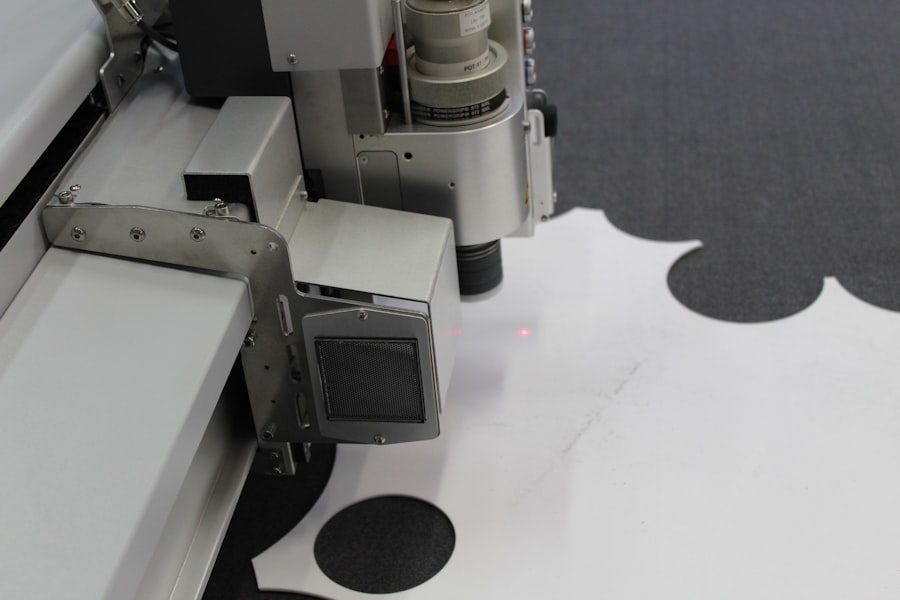
A popular project involves transforming an inkjet printer into a cutting machine for crafting. By replacing some parts and installing appropriate software, it’s possible to use the printer to cut paper, vinyl, or even cardboard. This opens up a world of possibilities for crafters and allows for the reuse of a device that would otherwise have been discarded.
Donate the printer to a school or charity
| Option | Description | Advantages | Disadvantages |
|---|---|---|---|
| Reuse | Use the printer for secondary tasks or as a scanner | Economical, reduces waste | Limited functionality, can be slow |
| Donate or sell | Offer the printer to a charity, school, or sell it at a low price | Extends the life of the device, helps someone else | May require transportation, not always accepted |
| Recycle | Take the printer to a specialized recycling center | Environmentally friendly, prevents pollution | Can be inconvenient, requires finding a suitable center |
| Repair | Have the printer repaired to extend its lifespan | Economical in the long run, reduces waste | Repair costs can be high, parts are difficult to find |
| Upcycle | Use the parts for DIY or art projects | Creative, adds value to the components | Requires time and skills |
Donating your printer to a school or charity is a meaningful way to contribute to your community. Many schools lack the resources to provide students with the tools they need to succeed, and a working printer can make a big difference. Teachers can use it to print teaching materials, student projects, or even posters for school events.
Charities, too, can benefit from a donated printer. Whether it’s for printing informational brochures, newsletters, or promotional materials for fundraisers, your donation can help these organizations better fulfill their mission. By donating your printer, you are actively supporting local initiatives and strengthening the community.
Use the printer for arts and crafts projects
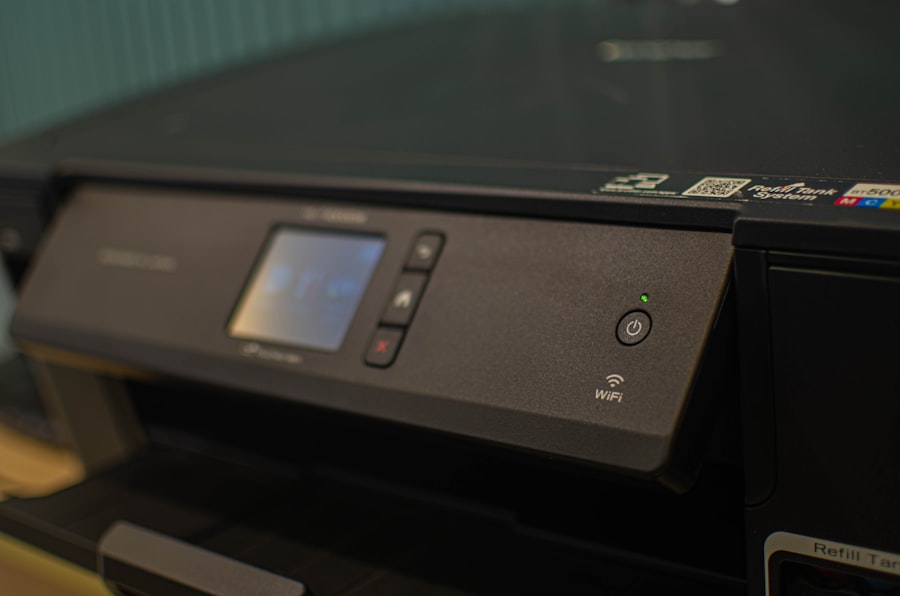
Using a printer for arts and crafts projects is a fun and creative way to repurpose a device you no longer need. For example, you can print patterns or images that you can then cut out and use in your artwork. Whether you’re making personalized cards, wall decorations, or even labels for your homemade jam jars, the possibilities are endless.
In addition, some people use printers to create fabric transfers. By printing images on special paper and transferring them onto clothing or accessories, you can personalize your belongings while giving your printer a new lease on life. This not only allows you to express your creativity but also reduces waste by using a device that would otherwise have been thrown away.
Reusing the printer as a scanner or photocopier
Another clever way to extend the life of a printer is to repurpose it as a scanner or copier. Many multifunction printers come with scanning capabilities that allow you to scan documents directly to your computer. If your printer has this capability, it can still be very useful even if it no longer prints properly.
Furthermore, if you need to make occasional copies but don’t want to invest in a separate copier, your old printer can fill this role. By using the built-in copy function, you can easily reproduce documents without needing an additional device. This can be especially convenient for students or professionals who need to make copies quickly and efficiently.
Leave a Reply