

The circular economy is an economic model that aims to reduce waste and maximize the use of resources. Unlike the traditional linear model, which follows the “extract, produce, consume, and discard” approach, the circular economy seeks to create a virtuous cycle where products, materials, and resources are reused, repaired, and recycled. This concept is based on the idea that waste should not exist, and that each product can have multiple lives.
By integrating this approach, companies can not only reduce their environmental impact but also achieve significant savings. In Belgium, the circular economy is gaining momentum, particularly as part of public policies that encourage companies to adopt sustainable practices. Consumers, for their part, are also becoming more aware of the importance of choosing environmentally friendly products.
This shift in mindset is essential to fostering a transition to a more sustainable and responsible economic model. By integrating circular economy practices, Belgian companies can not only meet growing consumer expectations but also position themselves as responsible market players.
Summary
- The circular economy aims to reduce waste by reusing, recycling, and remanufacturing products.
- Circular economy principles include closed-loop design, product life extension, and resource management.
- The circular economy in the photocopier sector involves reusing and refurbishing machines to extend their lifespan.
- Reusing and refurbishing photocopiers helps reduce electronic waste and conserve natural resources.
- Collecting and recycling photocopier components helps recover valuable materials and reduce the industry’s environmental impact.
Principles of the Circular Economy
The principles of the circular economy are based on several fundamental pillars. First, sustainable design is essential. This means that products must be designed from the outset to be durable, repairable, and recyclable.
Companies must consider the end-of-life of their products during design to minimize waste and optimize material reuse. For example, a photocopier designed to be easily disassembled will allow for simpler repairs and more efficient recycling of components. Second, collaboration between the various stakeholders in the value chain is crucial.
This includes manufacturers, distributors, consumers, and even recycling organizations. By working together, these stakeholders can create synergies that promote product reuse and recycling. For example, a copier manufacturer can collaborate with service companies to establish take-back and refurbishment programs, extending the life of the devices while reducing waste.
Circular Economy in the Copier Industry
The copier industry is particularly well-positioned to benefit from the principles of the circular economy. Indeed, these devices contain many components that can be reused or recycled. Furthermore, the growing demand for sustainable printing solutions is forcing manufacturers to rethink their business models.
Many companies are starting to offer copiers as a service (PaaS), where customers pay for use rather than purchasing a device. This encourages manufacturers to design more durable products and take care of their maintenance and end of life. The integration of the circular economy in the photocopier sector also improves energy efficiency.
New models are often designed to consume less energy and use fewer resources while still providing optimal performance. This not only addresses environmental concerns, but also allows businesses to save money on their energy bills. By adopting these sustainable practices, businesses can stand out in the market while contributing to environmental protection.
Reuse and refurbishment of photocopiers
The reuse and refurbishment of photocopiers are key elements of the circular economy in this sector. When a photocopier reaches the end of its life or is no longer used by a business, it can be collected for refurbishment. This process usually involves cleaning, repairing and replacing worn parts to give the photocopier a second life.
Not only does this reduce waste, but it also allows businesses to offer more affordable solutions to their customers. Additionally, remanufacturing helps reduce the demand for new devices, which reduces the environmental impact of producing new photocopiers. Businesses that choose to purchase refurbished devices can benefit from significant savings while supporting a sustainable business model.
By integrating these practices into their business strategy, companies can not only enhance their brand image but also attract environmentally conscious customers.
Collection and Recycling of Copier Components
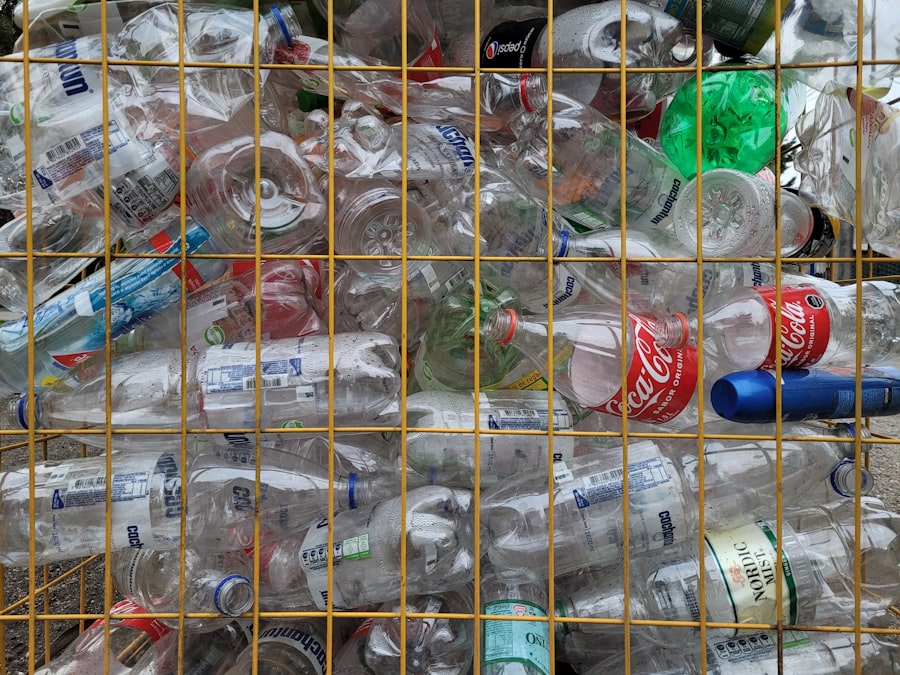
Collection and recycling of copier components is essential to ensure that valuable materials do not end up in landfills. Many manufacturers implement collection programs to collect used devices from businesses. These programs not only recover recyclable materials but also ensure responsible management of electronic waste.
Component recycling can include the recovery of precious metals such as aluminum and copper, as well as other materials such as plastic and glass. These materials can then be reused in the manufacture of new products, reducing the need to extract new resources. By integrating these practices into their supply chain, companies can contribute to a more sustainable economic model while complying with current environmental regulations. The Benefits of the Circular Economy for Businesses
Photo: Circular Economy

First, it reduces costs related to raw materials and waste management.
By reusing and recycling components, businesses can reduce their expenses while optimizing their supply chain. Improved Energy Efficiency
Furthermore, it can also lead to reduced energy costs through greater operational efficiency.
Improved Brand Image
The circular economy offers businesses a unique opportunity to improve their brand image and attract environmentally conscious customers.
Consumers are increasingly sensitive to environmental issues and prefer to buy from companies that adopt sustainable practices. By positioning themselves as a responsible player in the market, a company can not only retain existing customers but also attract new ones. Challenges and Obstacles to Implementing the Circular Economy in the Photocopier Industry
Despite its many benefits, implementing the circular economy in the photocopier industry is not without its challenges. One of the main obstacles is the initial cost associated with the transition to a circular model. Companies often need to invest in new technologies and infrastructure to facilitate the collection, refurbishment, and recycling of devices.
This can be a barrier for some businesses, particularly small and medium-sized enterprises. Furthermore, there is also a lack of awareness and education about circular economy practices within the industry. Many companies are still unaware of the benefits they could gain by adopting these sustainable practices. To overcome these obstacles, it is essential for industry stakeholders to collaborate to share experiences and promote best practices in the circular economy.
Circular Economy Initiatives and Best Practices in the Photocopier Industry
Numerous initiatives are emerging in the photocopier industry to promote the circular economy. For example, some manufacturers have implemented take-back programs that allow customers to return their old devices in exchange for a discount on a new purchase or a sustainable printing service. These programs not only encourage reuse and recycling, but also strengthen customer loyalty.
Other companies are also adopting innovative business models such as renting or leasing devices rather than selling them directly. This allows customers to access the latest technologies without having to invest in a large initial purchase, while ensuring that the devices will be recovered by the manufacturer at the end of their life for refurbishment or recycling. In conclusion, the circular economy represents a significant opportunity for the photocopier sector in Belgium.
A related article to The Circular Economy Applied to Photocopiers is “Why Choose to Rent a Business Printer?” This article explores the advantages of renting a business printer versus buying it, highlighting the economic and environmental aspects of this decision. It offers practical advice for businesses looking to optimize their printing fleet while adopting sustainable practices.
Leave a Reply