

Accounting presentation and depreciation are fundamental concepts in accounting. Accounting presentation refers to how financial information is presented and interpreted, while depreciation concerns the allocation of an asset’s cost over its useful life. Both play a crucial role in corporate financial management, as they influence not only profitability but also strategic decision-making.
Depreciation, in particular, is essential for reflecting the decrease in value of assets over time. It allows companies to better understand the true value of their assets and adjust their financial forecasts accordingly. By integrating these concepts into their accounting practices, companies can improve their financial transparency and compliance with accounting standards.
- Summary: Accounting depreciation allows the cost of an asset to be allocated over its useful life.
- There are several depreciation methods, the most common being straight-line and declining balance.
- Depreciation improves financial management by reflecting the decrease in value of assets in the financial statements.
Adherence to accounting standards is essential to ensure compliance and transparency.
Optimizing depreciation helps maximize tax benefits and avoid accounting errors.
The Basics of Accounting Printing
Accounting printing is based on several fundamental principles that guide how financial information is recorded and reported. Among these principles is the going concern principle, which assumes that the business will continue operating in the foreseeable future. This principle is crucial for determining how assets and liabilities are valued and presented in the financial statements.
Another key principle is prudence, which requires that companies not overestimate their revenues or underestimate their expenses. This means that assets should be valued at their lowest possible value and liabilities should be recognized as soon as they are probable. These principles ensure a true and fair view of a company’s financial position, which is essential for investors, creditors, and other stakeholders.
The Benefits of Depreciation for Businesses
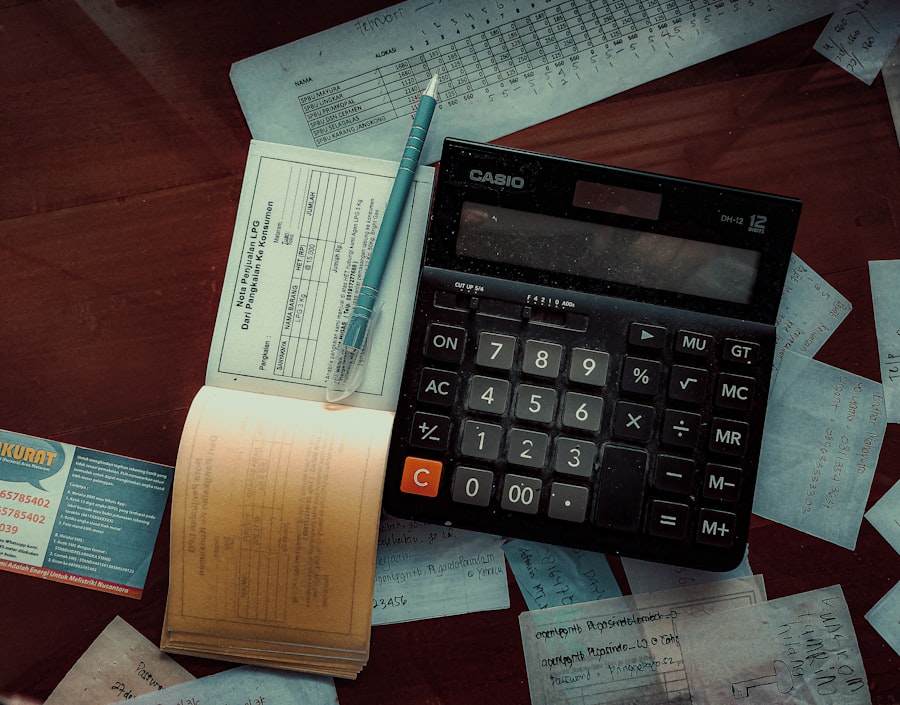
Furthermore, depreciation can have a positive impact on corporate taxation. This is because depreciation expenses are generally tax-deductible, thus reducing the company’s taxable income. This can translate into significant tax savings, allowing companies to reinvest these funds in growth or improve profitability.
Rules and Standards for Accounting Depreciation
| The rules and standards governing accounting depreciation vary depending on the jurisdiction and the accounting standards adopted by each company. In many countries, companies must comply with International Financial Reporting Standards (IFRS) or Generally Accepted Accounting Principles (GAAP). These standards establish clear guidelines on how depreciation should be calculated and presented in financial statements. | For example, IFRS stipulates that depreciation must be based on the asset’s estimated useful life and must be systematic and rational. Companies must also regularly review their useful life estimates and adjust their depreciation methods accordingly. Failure to comply with these standards can result in financial penalties and damage the company’s credibility with investors. | The Most Common Accounting Depreciation Methods | |
|---|---|---|---|
| Aspect | Description | Impact on the Business | |
| Example | Accounting Printing | Recording printing costs in the accounts | Allows for tracking expenses and optimizing costs |
| Cost of printing administrative documents | Accounting Depreciation | Allocating the cost of an asset over its useful life | Reduces taxable profit by spreading the expense |
| Depreciating a printer over 3 years | Depreciation Period | The time during which an asset is depreciated | Influences the annual expense recorded |
| Printer: 3 years, Computer: 5 years | Common Mistake | Not depreciating printing equipment correctly | Can lead to overstating expenses or assets |
Depreciating a printer over 1 year instead of 3 years
Tax Advantage
Depreciation reduces corporate income tax
Tax optimization and improved cash flow management
Annual deduction of depreciation expense There are several Accounting depreciation methods that companies can use to allocate the cost of their assets. The straight-line method is one of the most common, where the cost of the asset is spread evenly over its useful life. This method is simple to apply and offers predictability in depreciation charges.
Another popular method is the declining balance method, which allows for faster depreciation of assets at the beginning of their useful life. This approach can be advantageous for companies that want to quickly recoup their initial investment. Other methods include the units of production method, which calculates depreciation based on the actual use of the asset, and the declining balance method, which applies a fixed percentage to the remaining balance of the asset each year.
The Impact of Accounting Depreciation on Financial Statements
Accounting depreciation has a significant impact on a company’s financial statements. On the balance sheet, it reduces the net asset value by reflecting their depreciation over time. This can influence investors’ perception of the company’s financial health, as a lower net asset value can be interpreted as a sign of decline. In the income statement, depreciation charges appear as expenses, which reduces the company’s net profit. This can affect key financial ratios, such as the profitability ratio or return on investment.
Therefore, proper depreciation management is essential for maintaining a strong financial image and attracting potential investors.
Mistakes to Avoid in Accounting Depreciation
Leave a Reply