

In today’s professional world, printing remains an essential component of communication and productivity. Despite the evolution of digital technologies, the use of physical documents remains indispensable for many organizations. Printed contracts, presentations, and reports are fundamental tools for the efficient transmission and reception of information.
High-quality printing also contributes to enhancing corporate image by conveying an impression of professionalism. Printing encompasses several dimensions beyond simple document production. It integrates resource management, operational cost analysis, and process optimization.
Companies must accurately assess their printing needs to streamline their printer infrastructure. This optimization directly impacts overall expenses and improves the experience of employees who use this equipment daily in their work.
- Summary: Printing remains a key element in the daily operations of businesses. There are several types of printers suited to different business needs.
- The number of printers should be calculated based on the number of employees to optimize resources. An optimal number of printers improves productivity and reduces costs.
- Effectively managing your printer fleet and considering alternative solutions helps avoid both oversupply and shortages.
- The different types of printers available on the market
The printer market is vast and varied, offering a multitude of options suited to different business needs. Among the most common types of printers are inkjet printers, which are ideal for small businesses or home offices. They are often less expensive to purchase and offer good print quality for color documents.
However, their operating costs can be high due to the price of ink cartridges. On the other hand, laser printers are particularly popular in office environments where printing volumes are high. They are generally faster and more economical in the long run, especially for printing black and white documents. Multifunction printers, which combine printing, scanning, copying, and sometimes faxing, are also very popular. They save space and centralize several functions in a single device, which can be a considerable advantage for small businesses.
How to Determine the Number of Printers Needed Per Number of Employees
This can vary considerably depending on the industry and the type of work performed. For example, a marketing department may require more color printing than the human resources department. Next, it is important to consider the physical layout of the offices.
If employees are spread across multiple floors or different locations, it can be beneficial to install several printers to prevent them from wasting time traveling between them. A good rule of thumb is to have one printer for approximately 5 to 10 employees, but this can vary depending on each company’s specific needs. By analyzing these factors, companies can better plan their printer fleet and ensure it meets everyone’s requirements.
The Benefits of Using the Optimal Number of Printers in a Company
Using the optimal number of printers offers several significant advantages for a company. First, it helps reduce printing costs. By avoiding having too many underutilized printers or, conversely, not enough to meet demand, companies can better manage their expenses for supplies and maintenance.
It also contributes to better human resource management, as employees can easily access the tools they need without wasting time. Furthermore, a well-sized printer fleet promotes greater team productivity. When employees have easy access to functional and conveniently located printers, they can focus on their tasks without interruption.
| This improves not only individual efficiency but also that of the entire team. Ultimately, a good balance between the number of printers and the number of employees can help create a more harmonious and productive work environment. | The disadvantages of having too many or too few printers in a company | Number of employees | |
|---|---|---|---|
| Average number of printers | Employee/printer ratio | Common printer types | 1-10 |
| 1 | 10:1 | Compact multifunction printer | 11-50 |
| 2-3 | 5-15:1 | Network laser printers | 51-200 |
| 5-10 | 10-20:1 | Network Laser Printers and Multifunction Printers | 201-500 |
| 10-20 | 15-25:1 | High-Capacity Laser Printers | 500+ |
20+
20-30:1
Industrial and Network Multifunction Printers
Having too many printers in a business may seem advantageous at first, but it can quickly become problematic. An excess of devices can lead to unnecessary costs in terms of maintenance and supplies. Furthermore, it can create confusion among employees regarding the use of the various available printers.
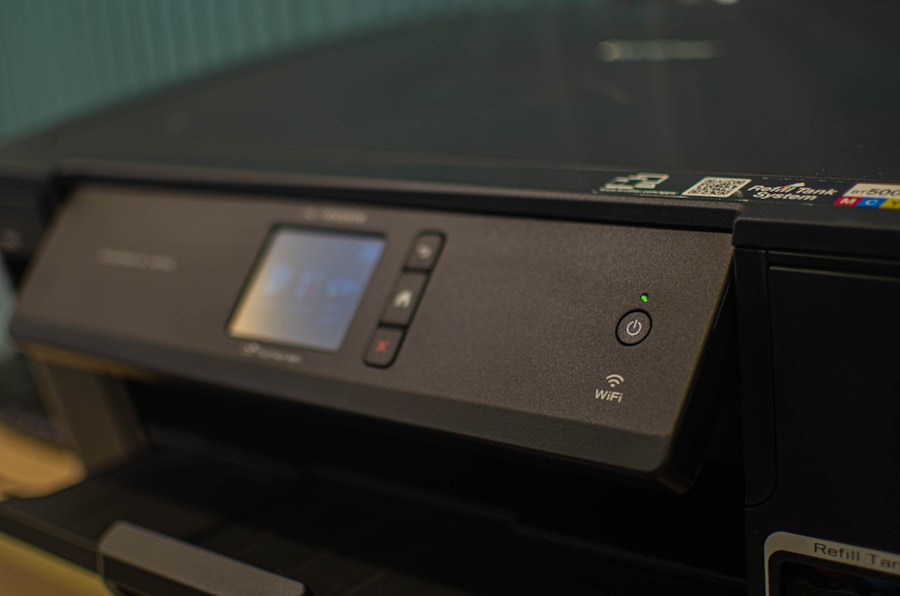
In short, it is crucial for businesses to find the right balance to avoid these inconveniences and ensure smooth operations.
Best Practices for Effectively Managing a Company’s Printer Fleet
Photo Printers
To effectively manage a printer fleet, it’s essential to implement certain best practices. First, it’s recommended to conduct a regular audit of the company’s printing needs. This not only ensures that the number of printers is adequate but also allows you to check their condition and usage.
Regular monitoring helps identify underutilized devices or those requiring maintenance. Second, it’s wise to implement a responsible printing policy within the company. This can include guidelines on double-sided printing to reduce paper consumption or encourage the use of digital printing whenever possible.
Leave a Reply