Re-imagined printing represents a significant transformation in the way businesses and individuals approach document production. In a world where digitalization and remote collaboration are becoming increasingly common, it is essential to rethink traditional methods of printing. This concept is not simply limited to the use of new technologies, but also encompasses a holistic approach that...
Category: Non classé
When the printer becomes the heart of the connected office
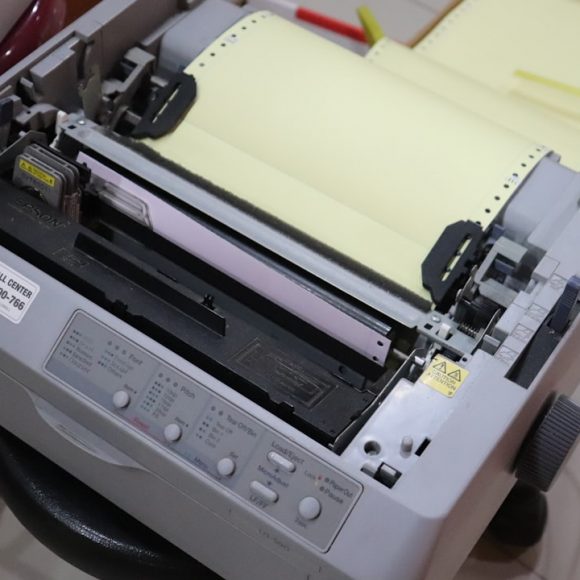
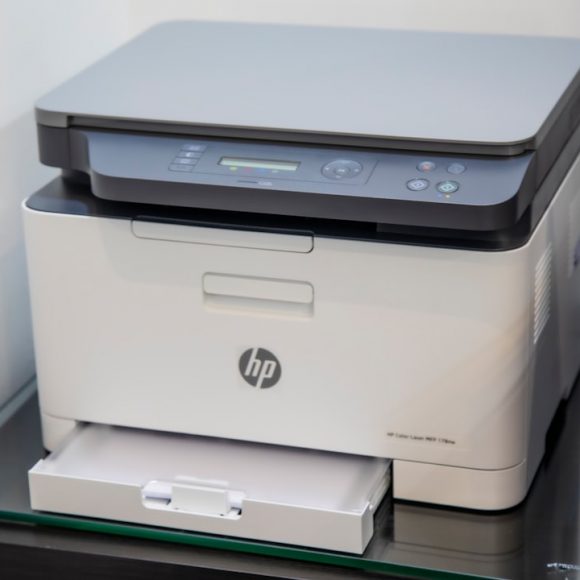
The printer has undergone a radical transformation since its beginnings. Originally, printers were isolated, often bulky machines that required a direct connection to a computer. With the advent of wireless technology and computer networks, printers have evolved into connected devices, integrated into the digital ecosystem of the modern office. Today, they can connect to the...
The evolution of printers: from classic printing to intelligent automation
The history of printing dates back centuries, with origins in antiquity. Early forms of printing, such as engraved wooden blocks, were used in China as early as the 2nd century BCE. However, it was in the 15th century that Johannes Gutenberg revolutionized the world of printing with the invention of the movable type printing press....
The digital footprint of printers: integrating analog into digital
The digital footprint of printers is a subject that deserves particular attention in the current context of the transition to digital. As businesses and individuals increasingly adopt digital printing solutions, it is crucial to understand the environmental and societal implications of this development. Printers, although they facilitate the production of documents, have a significant impact...
Beyond paper: how printers are reinventing the workspace
The history of printers dates back centuries, but their real rise began with the invention of the inkjet printer and laser printer in the 1970s and 1980s. Before that, printing methods were mainly based on manual techniques, such as letterpress or lithography, which required considerable know-how and took a lot of time. With the advent...
Printers and innovation: from simple tools to true digital partners
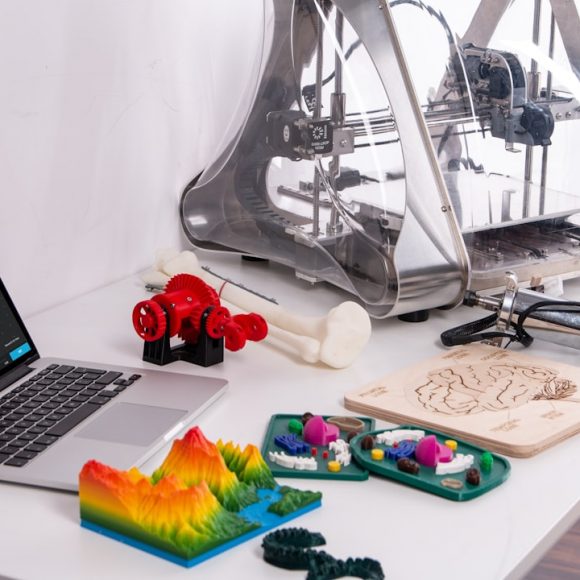
3D printing has revolutionized the technological landscape by offering innovative solutions that transform the way products are designed, manufactured and distributed. This technology allows the creation of three-dimensional objects from digital models, paving the way for unprecedented personalization and a significant reduction in waste. For example, in the aeronautics sector, companies like Boeing use 3D...
How professional printers contribute to the digital transition
The digital transformation represents a fundamental shift in the way businesses operate, interact with their customers and manage their internal operations. This process involves the integration of digital technologies into all aspects of an organization, transforming traditional business models. In a world where speed and efficiency are paramount, businesses must adapt to this new reality...
Why Managed Print Services (MPS) is gaining traction in businesses
Managed Print Services, often referred to by the acronym MPS (Managed Print Services), represents a strategic approach to print management within businesses. These services encompass a comprehensive range of solutions that aim to optimize the use of printing resources, reduce costs and improve operational efficiency. Typically, an MPS provider assesses a company’s printing needs, offers...
Innovative Features to Look for in Modern Printers
Wireless connectivity has become an essential element in the modern world of printing. With the rise of mobile devices and laptops, the ability to print without being physically connected to a printer is a major advantage. Modern printers offer a variety of connection methods, including Wi-Fi, Bluetooth, and even NFC (Near Field Communication). This allows...
How to Evaluate the Total Cost of Ownership (TCO) of a Business Printer
Total Cost of Ownership (TCO) is a fundamental concept in asset management, particularly in the IT and printing industries. TCO is not limited to the initial purchase price of a piece of equipment, but encompasses all costs associated with its use throughout its lifetime. This includes operating costs, maintenance costs, as well as indirect costs...