
When it comes to signing a lease agreement, it’s essential to pay attention to the fine print. These often-overlooked sections contain crucial information that can significantly impact the tenant’s experience. The fine print may include clauses regarding penalties for early termination, additional charges for services not included in the rent, or specific conditions regarding the use of the leased equipment. Ignoring these details can lead to misunderstandings and unexpected costs.
Furthermore, carefully reading the fine print allows for a better understanding of each party’s rights and obligations. This includes information about the lease term, payment terms, and maintenance responsibilities. By taking the time to review these elements, the tenant can avoid unpleasant surprises and ensure the contract meets their expectations. In short, neglecting this step can prove costly in the long run.
- Summary: Always read the fine print of the lease agreement carefully.
- Assess your long-term needs before choosing a lease agreement.
- Consider all hidden costs to avoid financial surprises.
- Check the maintenance and repair conditions included in the contract.
Negotiate the contract terms to obtain more favorable conditions. Choosing a long-term lease without assessing your long-term needs is a mistake.
Before committing to a long-term lease, it is crucial to assess your future needs. An impulsive choice can lead to complications if circumstances change. For example, a company leasing office space for several years must consider its potential growth, staffing needs, and equipment requirements. An unsuitable contract can limit the flexibility needed to adapt to these changes.
Similarly, for an individual, choosing a home without considering future needs can lead to inconveniences. A family planning to expand must ensure that the rented property will accommodate this growth. By taking the time to analyze their long-term needs, tenants can make an informed choice that will prevent frequent moves or costly adjustments.
Hidden costs are often a source of frustration for tenants. These charges can include additional maintenance fees, service charges, or even unexpected rent increases. It is therefore essential to read the contract carefully and ask questions about all the costs associated with renting. A clear understanding of these financial elements helps avoid unpleasant surprises when the bills arrive.
Furthermore, it is wise to compare offers from different providers to identify potential hidden costs. Some contracts may seem attractive at first glance, but a thorough analysis can reveal additional fees that make the offer less advantageous. By being vigilant and inquiring about all the financial aspects of the contract, the renter can better manage their budget and avoid unexpected expenses.
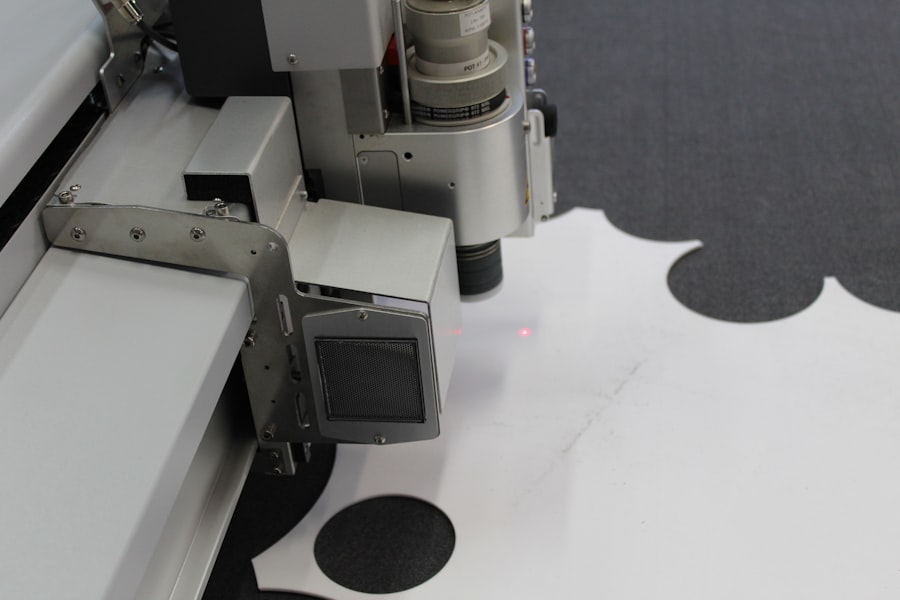
Photo Leasing Printers
Maintenance and repair conditions are essential elements of a lease agreement, but they are often overlooked by lessees. It is important to clarify who is responsible for repairs and regular maintenance of the leased equipment. A contract that does not specify these responsibilities can lead to conflicts between the lessee and the owner or supplier.
| Forgetting to negotiate the terms of the lease agreement | Common mistake | ||
|---|---|---|---|
| Description | Consequence | Advice | Poorly defined contract duration |
| Commitment for too long a period without the possibility of early termination | High costs in case of changing needs or technology | Prioritize flexibility or revision clauses | Hidden costs |
| Additional charges not clearly mentioned (maintenance, consumables) | Budget exceeded and poor financial management | Request a complete breakdown of costs in the contract | Absence of a maintenance clause |
| No clear handling of repairs and maintenance | Service interruption and unexpected costs | Include a maintenance and technical support clause | Limitation on the number of prints |
| Monthly print cap not adapted to actual needs | Additional costs for exceeding the limit or penalties | Accurately assess print volumes before signing | Lack of transparency regarding ownership |
Confusion about equipment ownership at the end of the lease
Problems during return or renewal
Clarifying ownership and return conditions
Negotiation is an often underestimated step when signing a lease agreement. Many lessees accept the proposed terms without seeking to discuss or modify certain aspects of the contract. However, landlords or suppliers are often open to negotiation, especially if it can lead to a mutually beneficial agreement.
Negotiating can lead to more favorable terms, such as a rent reduction, a no-obligation trial period, or improvements to included services. By approaching the discussion with confidence and being well-informed about the market, the lessee can maximize their chances of obtaining a contract that better meets their needs and budget.
Underestimating the importance of flexibility in the lease agreement
Flexibility is a crucial aspect to consider when signing a lease agreement. A lessee’s needs can change rapidly depending on personal or professional circumstances. A rigid contract can become a burden if the tenant faces an unforeseen change, such as relocating or modifying their business. It is therefore recommended to carefully review the flexibility clauses in the contract. This may include the option to terminate the contract earlier than planned, adjust the lease term, or even increase or decrease the rented space as needed. By including these flexible elements in the contract, the tenant gives themselves the ability to adapt their commitment to their evolving circumstances. Failing to verify the quality of the equipment offered in the lease agreement is also a significant drawback.
The quality of the rented equipment is a determining factor in ensuring a satisfactory experience.
It is essential to assess the condition and functionality of the equipment before signing a contract. Defective or outdated equipment can lead to interruptions in the renter’s business and generate additional costs for repairs or replacements.
Leave a Reply