
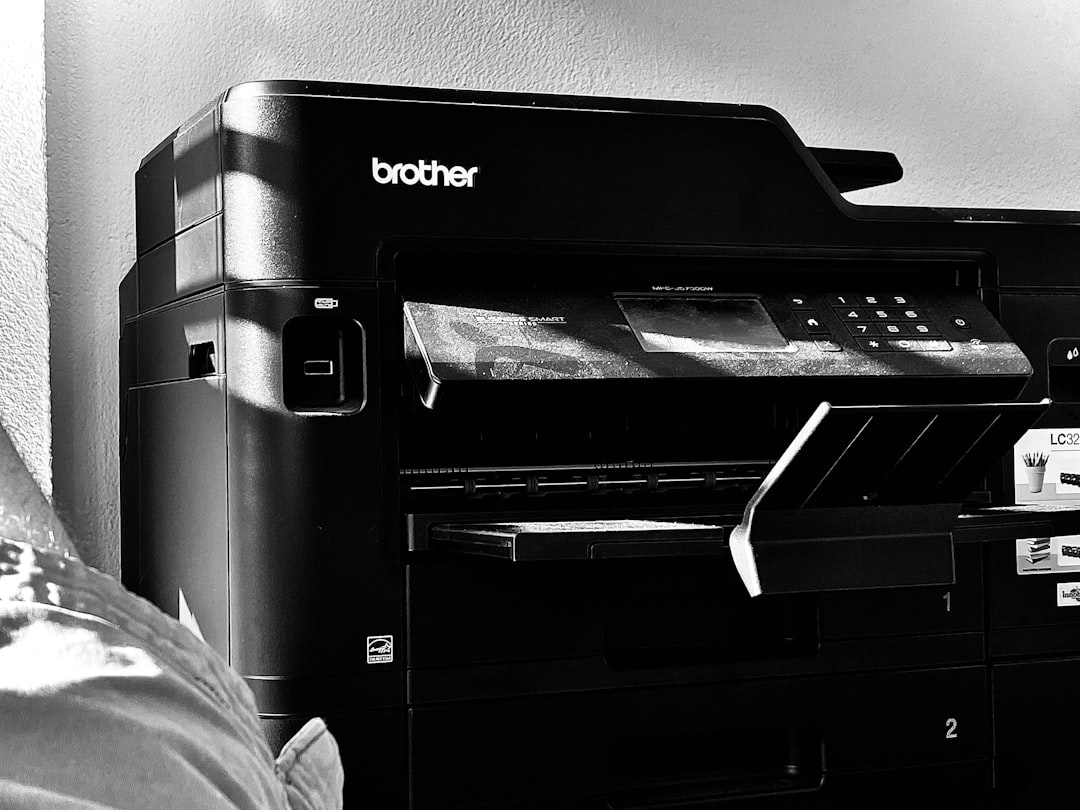
Printer recycling has become a necessity in our modern society, where technology evolves at a rapid pace. Printers, while essential tools in many homes and offices, contain components that can be harmful to the environment if not disposed of properly. Indeed, printers contain heavy metals, plastics, and other materials that, when discarded in landfills, can contaminate soil and groundwater.
Therefore, recycling not only reduces the amount of electronic waste but also conserves natural resources by reusing materials. Furthermore, printer recycling contributes to reducing our carbon footprint. Manufacturing new printers requires significant energy and resource consumption. By recycling old printers, we decrease the demand for new units, which in turn reduces the greenhouse gas emissions associated with their production. Therefore, recycling a printer is not only an environmentally responsible act, but also a step towards greater sustainability and respect for our planet’s resources.
- Summary
- Recycling a printer reduces electronic waste and protects the environment.
- It is important to locate a specialized recycling center to ensure proper processing.
- Preparing the printer by removing the cartridges and personal data facilitates recycling.
Donating or reselling are possible alternatives to recycling to extend the device’s lifespan.
Recycling recovers valuable materials such as plastic, metal, and electronic components.
Find a printer recycling center
Finding a printer recycling center can seem complicated, but several options are available for environmentally conscious consumers. Many municipalities offer electronic waste collection programs where residents can drop off their used devices. These programs are often advertised on city websites or in local newsletters.
It’s therefore a good idea to check with your local council or waste management department to find out the collection dates and locations. In addition, many large retailers and electronics stores also offer trade-in programs for printers. For example, some chain stores allow customers to return their old printers when purchasing a new one.

Recycle your printer
Before taking a printer to a recycling center, it’s essential to prepare it properly to ensure an efficient and safe process. The first step is to remove all accessories and consumables, such as ink cartridges and paper. Ink cartridges can often be recycled separately or returned to the manufacturer for a take-back program.
It is therefore recommended to check the manufacturer’s policies regarding the return of used cartridges. Next, it is advisable to erase all personal or sensitive data stored on the printer. While this may seem trivial, some modern printers have storage features that can retain information about printed documents.
To do this, it may be necessary to reset the printer to factory settings or use specific software provided by the manufacturer. This step is crucial to protect privacy and prevent any misuse of data.
Alternatives to Recycling
While recycling is a preferred option for disposing of a used printer, there are also several alternatives worth considering. One of the most popular options is reselling or donating a still-functional printer. Many individuals or organizations can benefit from a printer in good condition, whether for home or educational use. Online platforms like Craigslist or Facebook Marketplace facilitate this process by allowing users to offer their devices for sale or donation. Another alternative is to consider repairing the printer rather than replacing it. In some cases, simple maintenance or a part replacement can extend a printer’s lifespan.
Many specialized workshops offer repair services for various printer models. By choosing this option, you not only reduce your electronic waste but also save money on the purchase of a new device.
The Benefits of Printer Recycling
Printer recycling offers several significant environmental and economic advantages. First, it contributes to the reduction of electronic waste, which represents a growing share of global waste. According to the UN, approximately 50 million tons of electronic waste are generated worldwide each year, and this figure continues to rise.
By recycling printers, we actively participate in combating this problem by reducing the amount of material that ends up in landfills. Economically, recycling also allows for the recovery of valuable materials such as aluminum, copper, and various plastics. These materials can be reused in the manufacture of new products, thus reducing the need to extract and process virgin resources.
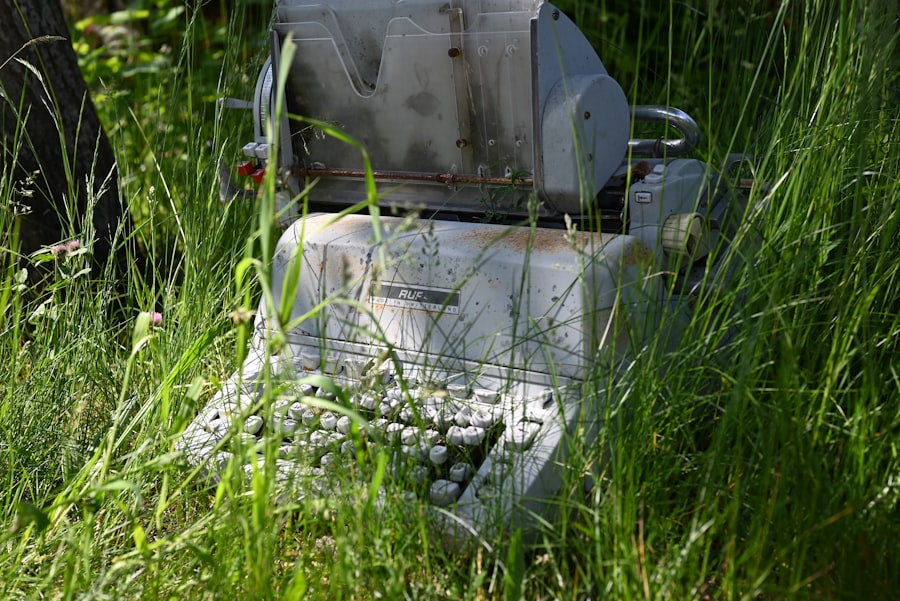
The steps in the recycling process
Photo recycle printer
The printer recycling process involves several key steps that ensure the materials are processed correctly and efficiently. First, once the printer is dropped off at a recycling center, it is sorted according to its type and condition. Functional devices can be redirected to reuse or refurbishment programs, while those that cannot be repaired proceed to the next stage.
Next, the internal components are disassembled to separate the different materials. Plastics are sorted by type and color, while metals are extracted for melting and reuse. Printed circuit boards also contain precious metals such as gold and silver, which can be recovered through specific chemical processes.
Finally, non-recyclable waste is disposed of in accordance with applicable environmental regulations.
Recyclable Materials in a Printer
Printers contain a variety of materials that can be efficiently recycled. Among the main recyclable components are the plastics used for the casing and internal parts. These plastics can be melted down and transformed into new plastic products, thus reducing reliance on virgin raw materials.
Leave a Reply