
The rich and complex French language is often the scene of passionate debates, particularly concerning the gender of words. Among the terms that spark discussion, the word “photocopier” stands out due to its masculine gender, which raises questions about its use and relevance in a context where gender issues are increasingly prominent. This term, referring to a device used to reproduce documents, is deeply rooted in everyday vocabulary, but its grammatical gender can seem out of step with contemporary societal and linguistic developments.
Thus, it is essential to explore the origins of this word, its use in daily life, and the debates surrounding it. The choice of gender for a word may seem trivial, but it often reflects cultural and historical realities. In the case of “photocopier,” the question of gender is not limited to a simple grammatical rule; it also touches on issues of representation and equality.
- This article will examine the various facets of this issue, drawing on concrete examples and linguistic reflections to better understand why the word “photocopier” is masculine and how this classification is perceived in contemporary society.
- Summary
- The word “photocopier” is traditionally masculine in French.
- Its masculine gender stems from its origin and the word’s formation.
In practice, the majority of speakers use “photocopier” in the masculine form.
A debate exists regarding the possible use of the feminine form for this term.
Grammatical rules and social changes influence the perception of the gender of “photocopier.”
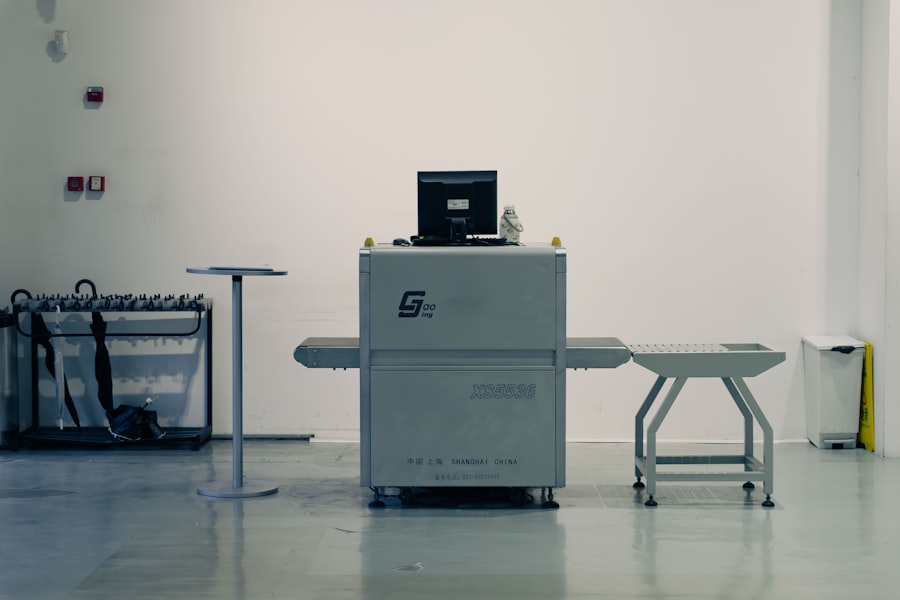
Origin of the word: Why is the word “photocopier” masculine?
The origin of the word “photocopier” dates back to the combination of two elements: “photo,” derived from the Greek “photos,” meaning light, and “copier,” which comes from the verb “to copy.” This term was introduced into the French vocabulary during the 20th century, with the advent of image reproduction technology. As a neologism, “photocopier” was formed according to the rules of the French language, which generally assign the masculine gender to words ending in “-eur,” a suffix often associated with agents or instruments. The choice of the masculine gender for “photocopier” thus reflects a linguistic tradition where words designating devices or technical tools are often masculine. For example, other terms like “ordinateur” (computer), “projecteur” (projector), or “imprimante” (printer) follow this same logic. This classification is not merely a matter of grammar; it is also influenced by historical and cultural factors that have shaped the French language over the centuries.
Thus, the masculine gender of the word “photocopier” can be understood as a continuation of an established linguistic norm.
Common usage: How do speakers use the word “photocopier” in practice?
In everyday practice, the word “photocopier” is widely used in various contexts, whether in offices, schools, or even at home. Speakers use this term to refer to the device that allows documents to be reproduced on paper, and its use is often accompanied by a familiarity that testifies to its integration into everyday language. For example, it is not uncommon to hear phrases such as “Can you photocopy this document for me?” or “The photocopier is broken,” thus illustrating the functional and practical use of the term.
However, the use of the word “photocopier” is not limited to its technical function. In certain contexts, it can also take on a symbolic dimension, representing the idea of reproducing and disseminating information. In a discussion about modern communication, for example, one might refer to the photocopier as an essential tool for the circulation of ideas and information management.
This versatility of use shows that the term is rooted in contemporary reality and that it transcends the simple framework of grammar.
Linguistic Debate: Arguments for and Against Using the Feminine Gender for “Photocopier”
The debate surrounding the gender of the word “photocopier” has sparked divergent opinions among linguists and speakers. On one side, some argue in favor of feminizing the term, claiming that this would better reflect evolving attitudes and the growing recognition of gender equality in language. They point out that many traditionally male-dominated professions and roles are now held by women, and that language should adapt to this reality.
For example, using the feminine form could be seen as a way to value women’s contributions in technical fields historically dominated by men. On the other hand, those who support maintaining the masculine gender for “photocopier” argue that this classification is rooted in French linguistic tradition and should not be changed without good reason. They maintain that grammatical gender does not necessarily have to reflect social reality and that changing the gender of a word could create unnecessary confusion.
Furthermore, they point out that the masculine is often used as a neutral gender in the French language, thus encompassing all people regardless of their sex. This debate highlights the tensions between tradition and modernity in the evolution of the language.
Grammatical Gender: The Influence of Grammar Rules on the Choice of Gender for “Photocopier”
Grammatical gender in French is governed by a set of rules that determine whether a word is masculine or feminine. In the case of “photocopier,” several grammatical elements influence its attribution to the masculine gender. First, as mentioned previously, words ending in “-eur” are generally masculine.
This rule applies to a large number of technical and professional terms, thus reinforcing the idea that the masculine gender is often associated with objects or tools. In addition, there is a historical tendency to assign the masculine gender to the names of technical agents or instruments. This may be linked to a cultural perception where technological innovations were primarily developed by men.
Thus, even as society evolves toward greater gender equality, grammatical structures often remain fixed in their conventions. This rigidity can pose challenges when it comes to integrating societal changes into language without altering its fundamental structure.
Linguistic Evolution: Current Trends in Gender Use for “Photocopier”
Leave a Reply