

In the modern professional world, the photocopier occupies a central place in office life. This device, often considered a simple document reproduction tool, plays a much more complex and significant role. Indeed, it has become an essential element for the daily management of administrative tasks.
Whether for printing reports, reproducing presentations, or distributing important documents, the photocopier facilitates the flow of information within the company. Its presence not only optimizes work time but also improves team efficiency. Beyond its utilitarian function, the photocopier is also a symbol of corporate culture.
It represents a focal point where employees gather to exchange ideas and collaborate on various projects. In this sense, it is much more than a simple device; it embodies the team spirit and cooperation that reign within an office. Therefore, understanding the importance of the photocopier also means grasping its role in the social and professional dynamics that enliven workspaces. Summary
The photocopier is an essential tool in office life for document reproduction and internal communication.
- The photocopier can become a social space where employees meet and exchange information informally.
- Social interactions around the photocopier can foster bonds between colleagues and strengthen team cohesion.
- There are social codes related to photocopier use, such as respecting the waiting order and politeness in exchanges.
- Photocopier use can sometimes lead to potential conflicts related to time and resource management.
- The photocopier as a social space
The photocopier is often perceived as a place of passage, but it is also a true space for socializing. In an office environment, this device becomes a meeting point where employees meet and interact. Whether to discuss the latest news, share laughs, or even discuss more serious topics, the photocopier fosters human interaction.
These informal moments are essential for building bonds between colleagues and strengthening team cohesion. Moreover, the photocopier can serve as a catalyst for conversations that might not have otherwise taken place. For example, two employees who don’t yet know each other may find themselves waiting their turn to use the machine and engage in a discussion.
These exchanges can lead to future collaborations or simply to a better mutual understanding. Thus, the photocopier plays a key role in creating a friendly and collaborative work environment.
Social Interactions Around the Photocopier
sociology of the Photocopier
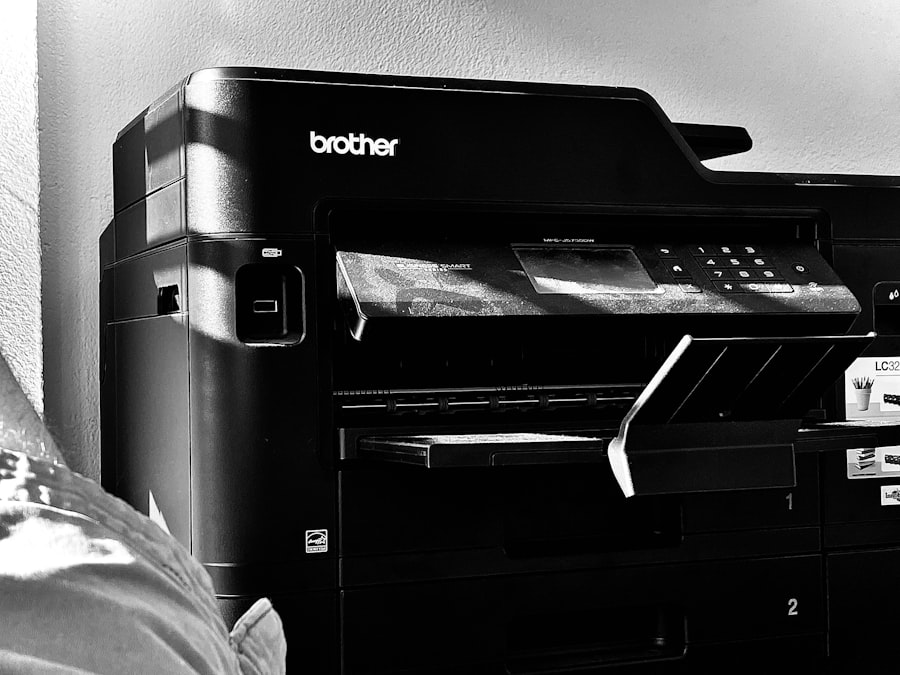
Indeed, the photocopier becomes a place where hierarchical barriers fade, allowing everyone to express themselves freely. Interestingly, these interactions aren’t limited to verbal exchanges. Employees can also share documents, ideas, or advice while using the photocopier.
This creates an atmosphere of mutual assistance and support, essential for a well-functioning team.
In short, the photocopier is a true social hub that contributes to the development of interpersonal relationships within the office. Social Codes Related to the Photocopier
Like any social space, the photocopier is governed by specific social codes. For example, there is a certain etiquette to follow when using it. Waiting patiently for one’s turn, not monopolizing the machine for too long, and respecting the confidentiality of documents are all unspoken rules that employees learn to follow.
These codes help maintain a harmonious and respectful atmosphere in the office. Furthermore, these social norms can vary from one company to another. In some organizations, the photocopier may be perceived as a formal space where interaction is limited, while in others, it may be a relaxed space conducive to informal exchanges.
Understanding these codes is essential for effectively navigating the corporate culture and building positive relationships with colleagues. Potential Conflicts Over Photocopier Use
Despite its positive role in office life, the photocopier can also be a source of conflict. Usage issues can arise when multiple employees need the device at the same time or when it breaks down. Furthermore, misunderstandings can arise regarding the confidentiality of printed or copied documents.
These situations can create tension between colleagues and disrupt office harmony. To avoid these conflicts, it is important to establish clear rules regarding photocopier use. For example, implementing a reservation system or defining specific time slots for each employee can help reduce friction.
Furthermore, encouraging open communication between team members can help quickly resolve misunderstandings and prevent tensions from building up.
The photocopier as a place for informal information sharing
Photo sociology of the photocopier
Circulation of important information

Sharing company news
Furthermore, these moments around the photocopier can also be used to share company or team news. For example, an employee can take advantage of a break near the photocopier to inform colleagues of a change in a project or a new initiative.
An essential vector for engagement
Thus, this device becomes an essential vector for keeping everyone informed and engaged in the life of the company. The Impact of the Photocopier on Office Dynamics
The impact of the photocopier on office dynamics is undeniable. As a focal point of social interaction, it helps shape relationships between colleagues and influences the overall atmosphere of the workplace.
A well-maintained and accessible photocopier can foster a collaborative and positive atmosphere, while a broken or difficult-to-access machine can lead to frustration and dissatisfaction.
Furthermore, the way employees use the photocopier can also reflect the company’s organizational culture. In a company where collaboration is valued, there will likely be more interaction around the photocopier than in a more hierarchical structure where employees prefer to work in isolation. Thus, the photocopier becomes a mirror of the values and practices that drive the organization.
Power Issues Related to Photocopier Use Finally, it’s important to note that photocopier use can also be linked to power issues within the office. In some situations, employees may use their privileged access to this device to strengthen their status or influence within the team. For example, those who are more proficient with the device or have access to advanced features may feel in a position of power over their colleagues.
These dynamics can sometimes create tension or rivalry between employees. It is therefore essential for managers and team leaders to ensure that photocopier use is fair and transparent. By fostering a culture of mutual support and encouraging resource sharing, it is possible to minimize the power struggles associated with this tool and promote a collaborative atmosphere within the office.
In conclusion, the photocopier is much more than just a device in Belgian office life; it is a true social actor that influences human interactions and organizational dynamics.
By understanding its importance and adopting a collaborative approach to its use, companies can leverage this tool to strengthen team cohesion and improve overall efficiency.
A related article to The Sociology of the Photocopier: A Meeting Place in the Office is
How to Choose the Best Printer for High-Quality Graphics Production This article explores the various options available to businesses with specific graphic printing needs. It offers helpful tips for choosing the best professional printer to meet those needs.
Leave a Reply