
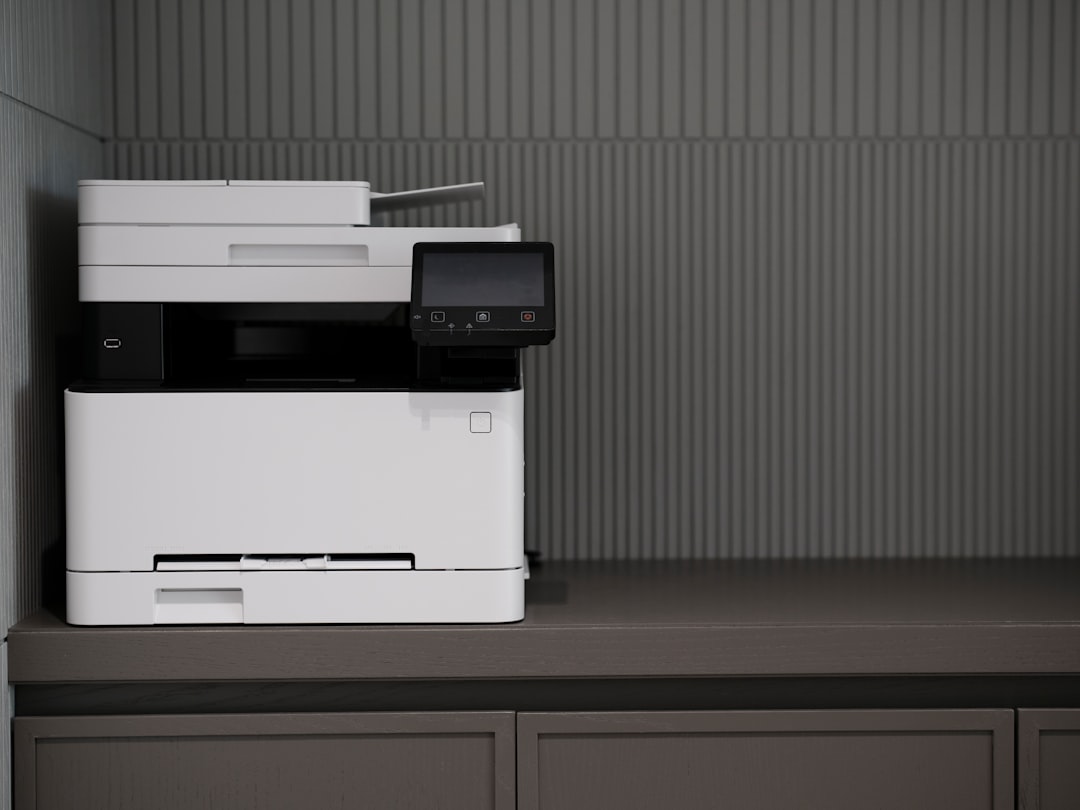
In today’s professional world, the photocopier is an indispensable tool for many businesses. Whether for reproducing documents, printing presentations, or scanning files, this device plays a central role in the daily management of administrative tasks. Modern photocopiers no longer just copy; they incorporate advanced features that facilitate collaborative work and improve efficiency.
In this article, we will explore the various aspects to consider when purchasing a photocopier for business, to help professionals make an informed choice. The importance of the right photocopier cannot be underestimated. A good photocopier can not only improve productivity but also reduce operating costs in the long run.
With a multitude of models and brands available on the market, it is essential to understand your specific needs before making a purchase. This article aims to guide you through the key features, popular brands, as well as the costs and print quality of photocopiers. Summary
Business copiers are essential machines for high-volume document reproduction.
- When purchasing a business copier, it’s important to consider features such as print speed, paper capacity, and finishing options.
- The most popular brands in the business copier market include Canon, Xerox, Ricoh, Konica Minolta, and Sharp.
- It’s essential to compare the operating costs of different copiers, including consumables and maintenance costs.
- Evaluating the print quality and speed of copiers is crucial to ensuring fast, high-quality results.
- Additional features offered by business copiers can include scanning, faxing, network connectivity, and document security.
- Environmental criteria such as energy consumption and recycling options should be considered when choosing a business copier.
- In conclusion, it is recommended to choose a business copier based on your specific business needs, taking into account cost, print quality, features, and environmental considerations.
- Features to Consider When Purchasing a Business Copier
When purchasing a copier for your business, several features should be considered to ensure the device meets your needs. First and foremost, volume capacity is a key criterion. It is important to evaluate the number of copies you plan to make each month. Copiers are often categorized by their recommended monthly capacity, and choosing a model that’s suited to your print volume can prevent frequent breakdowns and extend the device’s lifespan.
Print speed is another determining factor.
Measured in pages per minute (ppm), this feature is crucial for businesses that need to produce documents quickly. A slow copier can become a bottleneck in your workflow, especially during busy periods. Therefore, it’s advisable to choose a model that offers adequate print speed to meet your business requirements. The most popular copier brands on the market
The photocopier market is dominated by several reputable brands that offer a wide range of models tailored to business needs. Some of the most popular ones include Canon, Xerox, HP and Ricoh. Each of these brands has its own characteristics and advantages, which allows companies to find a model that perfectly matches their expectations.
Canon is often praised for the exceptional print quality of its devices, while Xerox is recognized for its innovative solutions and reliability. HP, on the other hand, offers multifunction photocopiers that incorporate advanced features such as wireless printing and scan to cloud. Ricoh stands out for its ecological solutions and devices designed to reduce environmental impact.
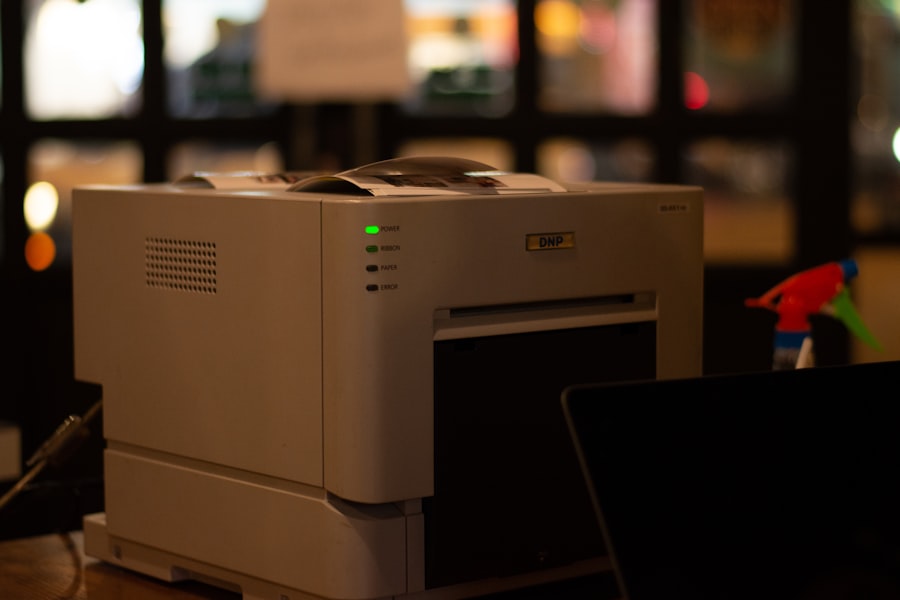
By exploring these brands, it is possible to find a photocopier that combines performance and durability.
Comparison of operating costs of different photocopiers
Photocopier
Monthly operating cost (in euros)
| Model A | 150 |
|---|---|
| Model B | 120 |
| Model C | 180 |
| The operating cost of a photocopier is an aspect often overlooked when purchasing, but it can have a significant impact on a business’s overall budget. Operating costs include not only the price of ink or toner cartridges, but also maintenance costs, repairs and the electricity consumed by the device. It is therefore crucial to take these elements into account before making a choice. | In general, laser copiers tend to have lower operating costs than inkjet models, especially for high volumes. However, the initial cost of a laser copier may be higher. It is therefore recommended to calculate the total cost of ownership over several years to determine which model will be the most economical in the long term. |
Additionally, some brands offer maintenance contracts that can help manage these unexpected costs.
Evaluating Copier Print Quality and Speed
Print quality is a fundamental criterion when choosing a business copier.
Printed documents must be clear and professional, especially if you use them for presentations or client communications.
Print resolution, measured in dpi (dots per inch), is a key indicator of quality. A copier with high resolution will produce sharp images and legible text. Print speed is also crucial, especially in a time-sensitive environment. Businesses should evaluate not only the manufacturer’s maximum advertised speed, but also the actual speed under normal operating conditions. Independent testing can provide valuable information on the real-world performance of devices. By combining these two criteria—quality and speed—you can choose a copier that meets your business’s demanding requirements. Analysis of the additional features offered by business copiers
Modern copiers often come with additional features that can greatly enhance their usefulness within a business. These features include scanning to email or a network folder, automatic two-sided printing, and wireless connectivity. These options not only save time but also optimize space and resources.
Additionally, some models offer integrated document management solutions that facilitate the organization and archiving of digital documents. These tools can be particularly beneficial for businesses that process a large volume of documents and are looking to improve their operational efficiency. Considering these additional features when making your selection will help you maximize your copier investment.
Environmental Criteria to Consider When Choosing a Business Copier
In a context where sustainability and environmental responsibility have become major concerns for businesses, it is essential to consider environmental criteria when choosing a copier. Many manufacturers now offer models designed to minimize their environmental impact, whether through reduced energy consumption or the use of recyclable materials. It is also important to consider waste management related to consumables such as ink or toner cartridges.
Some brands offer recycling programs that allow businesses to return their used cartridges and thus reduce their carbon footprint. By choosing an environmentally friendly photocopier, you not only contribute to protecting the planet, but you also strengthen your company’s eco-responsible image.
Recommendations and Conclusion
In conclusion, choosing a business copier requires careful consideration of several essential criteria, such as capacity, speed, print quality, and operating costs. It’s also crucial to explore additional features that can improve your day-to-day efficiency and to factor environmental considerations into your decision. For those seriously considering purchasing a copier, it may be wise to consult several experts to obtain accurate estimates tailored to your specific needs.
On our platform, you can receive free property estimates from three specialized agencies in your area. This will not only give you a clear picture of the current market, but also help you make an informed choice when it comes to business equipment. Ultimately, investing in a good copier can transform the way you work and contribute to the overall success of your business.
Leave a Reply