

In a world where digitalization is becoming increasingly prevalent, managing print costs remains a crucial issue for many businesses. Centralized print cost management is an effective solution for controlling these often underestimated expenses. Indeed, printing costs can quickly add up, impacting an organization’s overall budget.
By centralizing the management of these costs, businesses can not only achieve significant savings but also improve their operational efficiency. Centralized print cost management involves implementing a system that tracks, controls, and optimizes all print-related expenses. This includes not only the cost of supplies and equipment, but also maintenance and energy costs.
By adopting this approach, businesses can gain a clear overview of their spending and identify areas where savings can be made. This is a first step toward more rigorous and responsible financial management. Summary
Centralized print cost management helps control and reduce print-related expenses.
- Benefits include cost reduction, process simplification, and reduced environmental impact.
- Steps to implementing a centralized management system include auditing needs, selecting equipment, and training staff.
- Specialized tools and software are available for effective centralized management, such as print tracking and quota management solutions.
- Best practices for optimizing print costs include raising employee awareness, implementing print policies, and regularly monitoring expenses.
- The Benefits of Centralized Management for Reducing Printing Costs
One of the main benefits of centralized print cost management is the significant reduction in expenses. By consolidating all printing under a single system, it becomes easier to identify waste and implement corrective measures.
For example, a company may realize it is printing too many unnecessary documents or that some employees are using more expensive printers than others. By streamlining these processes, printing costs can be significantly reduced. Furthermore, centralized management allows for better negotiation with suppliers. By consolidating print volumes, companies can benefit from preferential rates on supplies and equipment.
This can also include more advantageous maintenance contracts.
Ultimately, this approach not only reduces direct costs but also contributes to better resource management within the company. Steps to Implementing a Centralized Print Cost Management System Implementing a centralized print cost management system requires careful planning and rigorous execution. The first step is to conduct a comprehensive audit of the company’s current printing practices. This involves collecting data on print volume, the types of documents printed, and the associated costs.
This analysis will identify weak points and opportunities for improvement. Once the audit has been completed, it is essential to define clear objectives for the centralized management system. These goals might include reducing printing costs by X% over a period of time or increasing the use of double-sided printing to reduce paper waste.
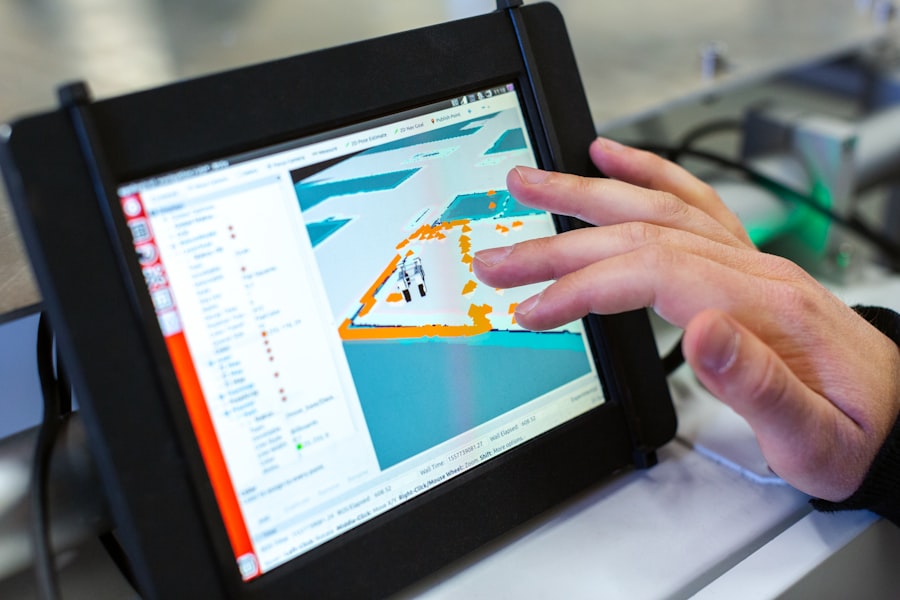
Next, it is necessary to choose the appropriate tools and software to implement this system, taking into account the specific needs of the company and the available resources.
Tools and software available for effective centralized management
Tool/Software
Features
| Benefits | Content Management System (CMS) | Content management, collaboration, publication |
|---|---|---|
| Ease of use, centralization of content | Task management platform | Assignment, monitoring, deadline management |
| Organization, project monitoring | Human resources management software | Employee management, performance monitoring |
| Optimization of resources, monitoring of objectives | There are a multitude of tools and software designed to make it easier to centrally manage printing costs. Among them are tracking and analytics solutions that allow businesses to monitor their printing expenses in real time. These tools often offer intuitive dashboards that display key performance indicators, making decision-making easier. | Additionally, some software integrates advanced features such as print workflow management, allowing users to submit their print jobs through a centralized interface. This not only reduces the time spent managing print jobs, but also allows for the enforcement of specific rules, such as requiring economy mode or double-sided printing. By choosing the right software, businesses can optimize their printing processes while reducing costs. |
Best Practices for Optimizing Print Costs Through Centralized Management
To fully benefit from centralized print cost management, it is essential to adopt certain best practices. First, it is recommended to raise awareness among all staff about printing issues. This can involve training or internal communication campaigns aimed at encouraging responsible behavior, such as using digital instead of paper whenever possible.
Second, it is wise to establish clear policies regarding printing within the company. For example, defining who has the right to print in color or establishing a monthly quota per employee can help reduce waste. Furthermore, it’s important to regularly review these policies and adjust practices based on results and technological developments.
Mistakes to avoid when implementing a centralized print cost management system
Despite the many benefits of centralized print cost management, certain errors can compromise its effectiveness. One of the most common is a lack of staff involvement in the process. If employees don’t understand the importance of this approach or aren’t properly trained, they risk continuing to engage in inefficient behaviors.
Another common mistake is neglecting data tracking and analysis after the system is implemented. It’s crucial to continue monitoring expenses and adjusting strategies based on the results. Ignoring this step can lead to a return to old practices and negate all efforts made to optimize costs.
The Importance of Employee Training and Awareness for Centralized Print Cost Management
Employee training and awareness play a fundamental role in the success of a centralized print cost management system. Even the best tools won’t be effective if staff aren’t aware of the issues surrounding printing and how to use them properly. Regular training sessions can help establish a cost-saving culture within the company.
Furthermore, involving employees in the decision-making process can also strengthen their commitment to the initiative. For example, asking for their input on printing policies or the tools to use can foster a sense of ownership and encourage wider adoption of the system.
Successful Case Studies of Centralized Print Cost Management
Many companies have already successfully reduced their printing costs through effective centralized management. For example, a large Belgian company implemented a system that enabled it to reduce its printing expenses by 30% in just one year. By analyzing its existing practices and training its staff on the new policies, it was able to quickly identify sources of waste and implement appropriate solutions.
Another example is that of an SME that adopted a similar approach and saw significant improvements not only financially but also in operational efficiency. By centralizing its printing and using suitable software, it was able to reduce the time spent on print management while improving the quality of customer service. In conclusion, centralized print cost management represents a valuable opportunity for companies looking to optimize their expenses while improving their operational efficiency.
By following the right steps and avoiding certain common mistakes, significant savings can be achieved while establishing a responsible culture within the organization. For those considering this approach, it may be wise to turn to experts to obtain personalized support in setting up this system.
Leave a Reply